
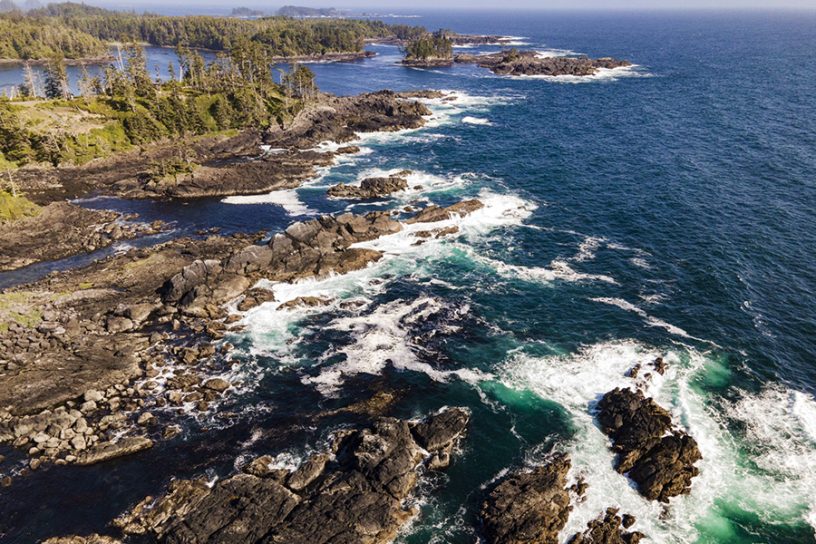

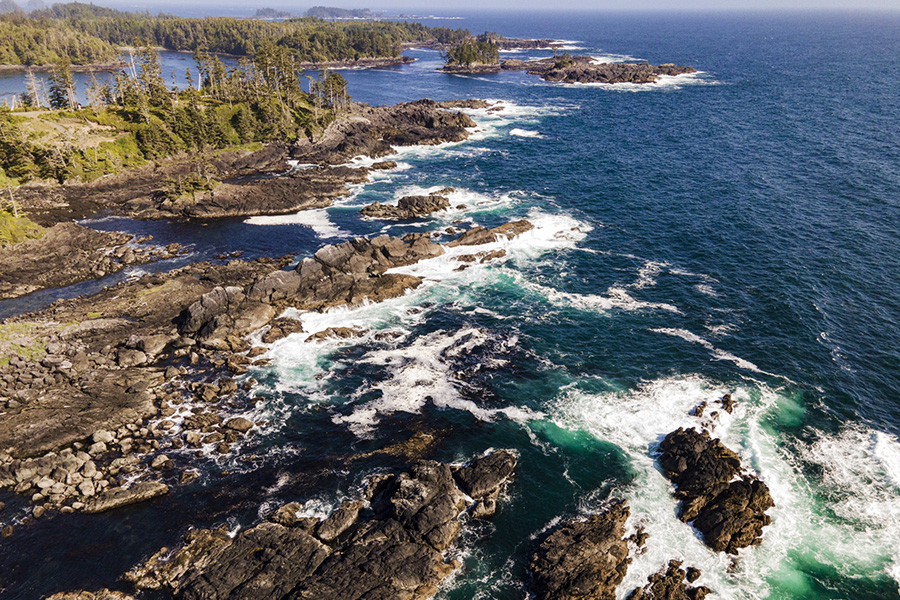
Coastal environments face threats, requiring interactive governance and integrated coastal zone management for long-term protection.
Author
Tony George Puthucherril, Professor, Jindal Global Law School, O.P. Jindal Global University, Sonipat, Haryana, India
Summary
This chapter examines coastal and nearshore habitats, in the process describing the role of ‘interactive’ marine environmental governance amidst global change. Coastal and near-shore environments are increasingly threatened by human activities such as pollution, extraction of resources, acidification of seawater, and rising sea levels. New approaches to marine governance are needed to address these and other shoreline and near-shore environmental threats. Interactive governance and integrated coastal zone management are critical in this respect. Interactive governance is a process whereby problems are addressed through interactions among civil, public, and private stakeholders. Integrated coastal zone management is an iterative process involving informed participation and cooperation among actors. Using case studies from a number of countries, the chapter shows that both interactive governance and integrated coastal zone management provide promising avenues for more effectively protecting the integrity of coastal and near-shore environments in the long term.
Published in: Routledge Handbook of Marine Governance and Global Environmental Change
To read the full chapter, please click here.
