

Bioflocs from B. cereus exhibited superior consistency and stability compared to K. pneumoniae for aquaculture systems.
Authors
Khadem Hussain Saeedi, Naveen Jindal Young Global Research Fellowship, O.P. Jindal Global University, Sonipat, Haryana, India; Biology Department, Kandahar University, Kandahar, Afghanistan
Manjulatha Chapara, Department of Zoology, Andhra University, Visakhapatnam, Andhra Pradesh 530003, India
Jane Polyn P. Bejoc, Naveen Jindal Young Global Research Fellowship, O.P. Jindal Global University, Sonipat, Haryana, India; College of Fisheries and Allied Science, Cebu Technological University, Philippines
S.K.K.A. Perera, Naveen Jindal Young Global Research Fellowship, O.P. Jindal Global University, Sonipat, Haryana, India; Department of Zoology, University of Sri Jayewardenepura, Gangodawila, Nugegoda 10250, Sri Lanka
Summary
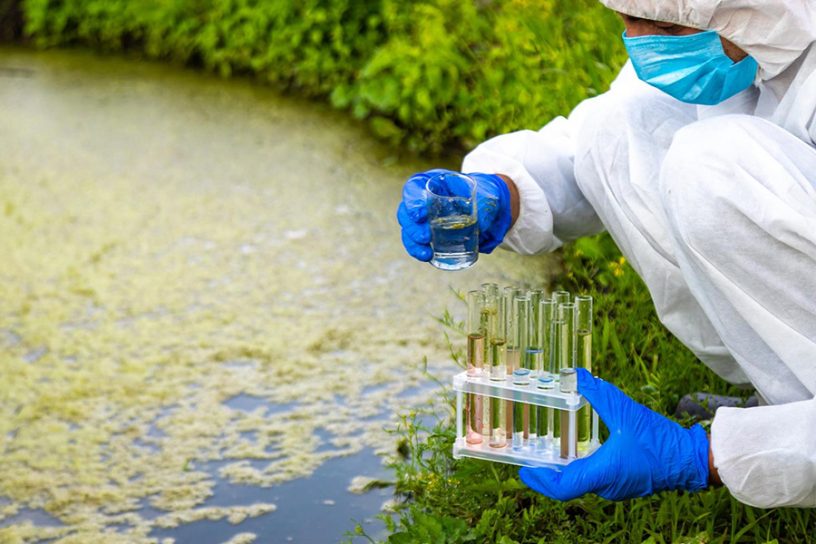
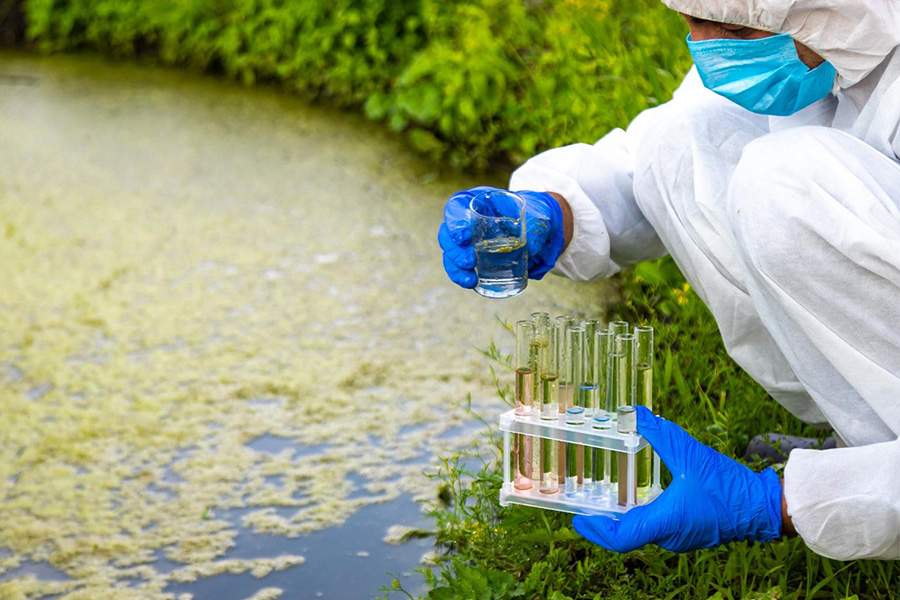
Maintaining optimal water parameters in a biofloc technology system is essential for ensuring the healthy growth, development, and survival of cultured aquatic organisms. Fluctuations in these parameters can negatively impact their health, growth performance, and overall survival rate. This study compares the effects of two biofloc-producing bacteria, Bacillus cereus and Klebsiella pneumoniae, on water quality. The study was conducted under sterile laboratory conditions using water with 10 ppt salinity, and water quality parameters were assessed at 24-h intervals. Both bacterial strains were capable of forming bioflocs, though their performance varied over time. Bacillus cereus showed fluctuations in pH (6.5–8.9), whereas Klebsiella pneumoniae maintained relative stability (6–7.4). Both treatments elevated total alkalinity, but K. pneumoniae caused a sharp increase from 150 ppm to 310 ppm, differing from previous observations. B. cereus maintained stable total hardness and dissolved oxygen (2–5 mg/L) but caused elevated turbidity (819 NTU) after floc disintegration. Overall, bioflocs produced by B. cereus were more consistent and exhibited properties better suited for sustainable aquaculture under controlled conditions compared to those formed by K. pneumoniae.
Published in: Journal of Sea Research
To read the full article, please click here.
