
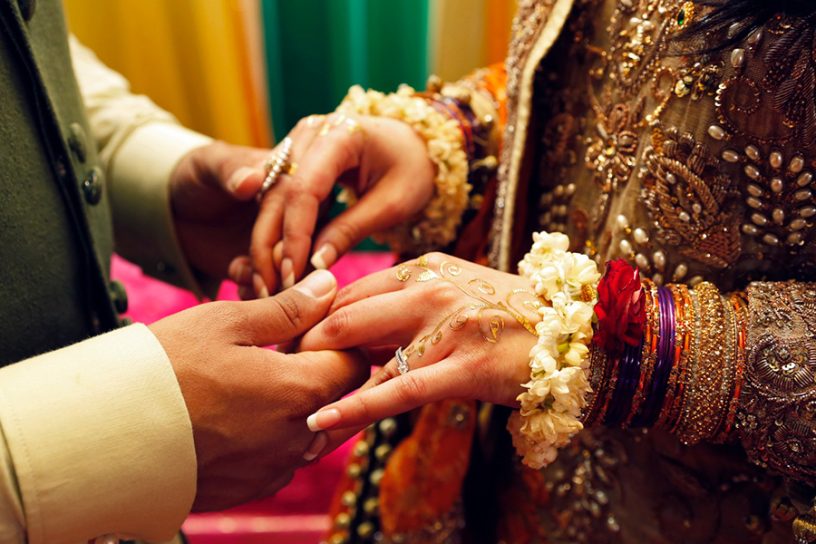


Child marriage significantly increases intimate partner violence risk among Kenyan women, demanding effective policy enforcement preventing child marriage and safeguarding women.
Author
Shankey Verma, Assistant Professor, Jindal Institute of Behavioral Sciences, O.P. Jindal Global University, Sonipat, Haryana, India
Summary
Child marriage and intimate partner violence (IPV) are global health crises that violate individual human rights. Prior research has linked child marriage to IPV in lower-and-middle-income countries; however, information regarding this relationship in Kenya is sparse. The present study aims to (a) estimate the prevalence of child marriage and various forms of IPV (emotional, physical, and sexual) and (b) examine the association between child marriage and IPV among Kenyan women. This study utilized the most recent 2022 Kenya Demographic and Health Survey (KDHS), a large scale and nationally representative dataset. A total of 12,888 participants (Mage = 32.35 years; SD = 7.96) were included in the final analysis. The prevalence rates of child marriage and experiencing at least one form of IPV, emotional, physical, and sexual IPV, were found to be 31.23%, 44.8%, 34.5%, 32.6%, and 10.1%, respectively. Multinomial regression models revealed that the likelihood of experiencing at least one form of IPV was 25% higher (OR = 1.25, 95% CI = 1.16–1.36, p <.01), emotional IPV was 19% higher (OR = 1.19, 95% CI = 1.09–1.29, p <.01), and physical IPV was 31% higher (OR = 1.57, 95% CI = 1.21–1.43, p <.01) among Kenyan women who married before the age of 18 years. Findings highlight the need for effective policy enforcement and implementation to prevent child marriage and safeguard women from IPV within child marriages.
Published in: Journal of Child Sexual Abuse: Research, Treatment, and Program Innovations for Victims, Survivors, and Offenders
To read the full article, please click here.
