
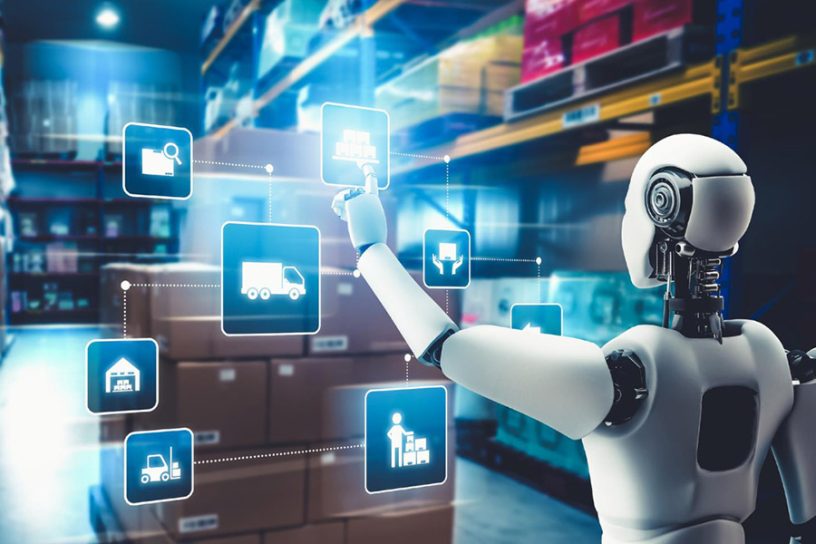


Robot adoption boosts supply‑chain resilience; innovation and digital strategies amplify benefits for all partners globally.
Authors
Yu Yu, School of Business, Nanjing Audit University, Nanjing, China
Zhaoyue Li, School of Management, Xiamen University, Xiamen, China
Sachin Kumar Mangla, Jindal Global Business School, O.P. Jindal Global University, Sonipat, Haryana, India; Plymouth Business School, University of Plymouth, Plymouth, United Kingdom
Malin Song, Collaborative Innovation Center for Ecological Economics and Management, Anhui University of Finance and Economics, Bengbu, China
Summary
Technological evolution has driven the widespread adoption of industrial robots while increasing the resilience requirements of increasingly complex supply chains. However, the relationship between robot adoption and supply chain resilience remains underexplored. This study addresses this gap by empirically examining the impact of robot adoption on supply chain resilience, using a panel dataset of listed manufacturing firms in China from 2013 to 2022.
The findings reveal that robot adoption not only significantly enhances a firm’s own supply chain resilience but also exerts a positive spill over effect on the resilience of its upstream and downstream partners. Moreover, the study uncovers the moderating roles of enterprise innovation and digital strategies, which amplify the positive effects of robot adoption on supply chain resilience. By integrating technological, strategic, and network perspectives, this research offers novel empirical evidence on the interplay between automation and resilience in supply chains. The study’s conclusions have important implications for both managerial practice and policymaking: while state-owned and high-tech enterprises should be encouraged to take the lead in robot adoption, firms more broadly can further enhance supply chain resilience by investing in innovation and digital transformation strategies.
Published in: Journal of Business Logistics
To read the full article, please click here.
