
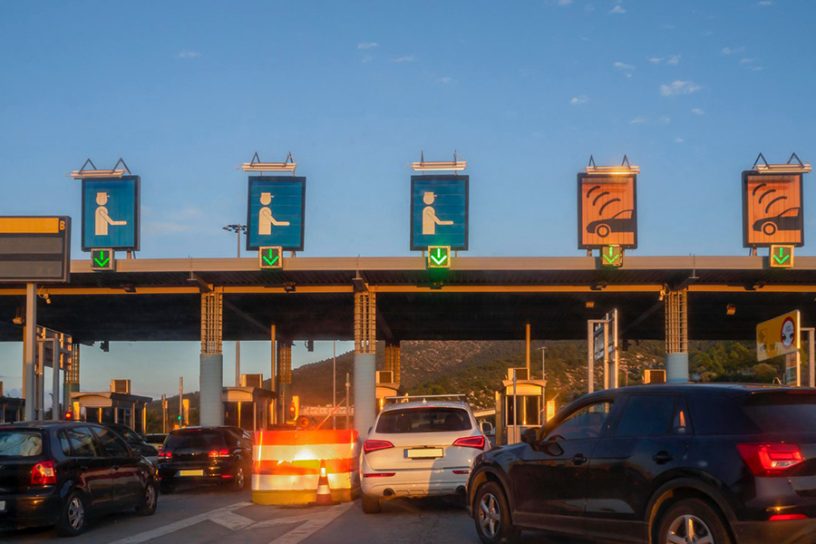

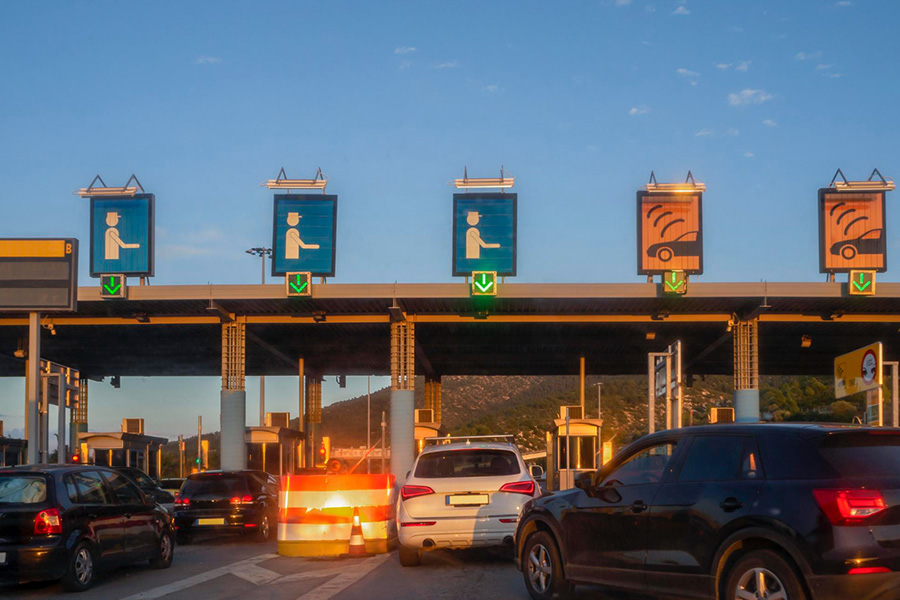
FASTag demonstrates Radio Frequency Identification (RFID)-driven intelligent transportation, integrating hardware, software, and infrastructure for seamless nationwide digital toll collection.
Author
Sukanya Wadhwa, Assistant Professor, Jindal Global Business School O.P. Jindal Global University, India
Summary
The introduction of FASTag marks a watershed moment in India’s journey toward intelligent transportation systems. By leveraging Radio Frequency Identification (RFID) technology, FASTag has automated toll collection across national highways, enabling seamless, contactless, and cashless vehicle movement. This case study explains the fundamentals of RFID technology and demonstrates its practical application within the FASTag ecosystem, making it an essential learning resource for understanding how embedded sensors and wireless communication can drive real-world innovations. It walks readers through how RFID tags affixed to vehicles interact with roadside sensors at toll plazas to transmit vehicle identity and payment information. It also explores the underlying system architecture, including RFID readers, backend servers, payment gateways, and integration with user accounts through banking and fintech platforms. By analyzing the FASTag rollout strategy, policy mandates by NHAI, and stakeholder participation, the case highlights the interplay between hardware, software, and public infrastructure in deploying nationwide digital solutions.
Published in: Journal of Information Technology Teaching Cases
To read the full article, please click here.
